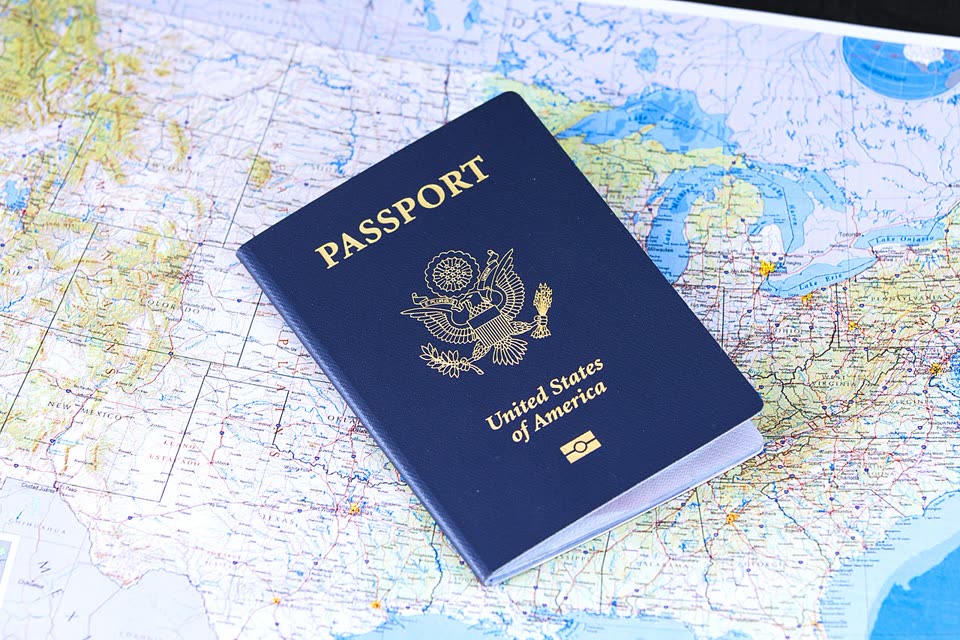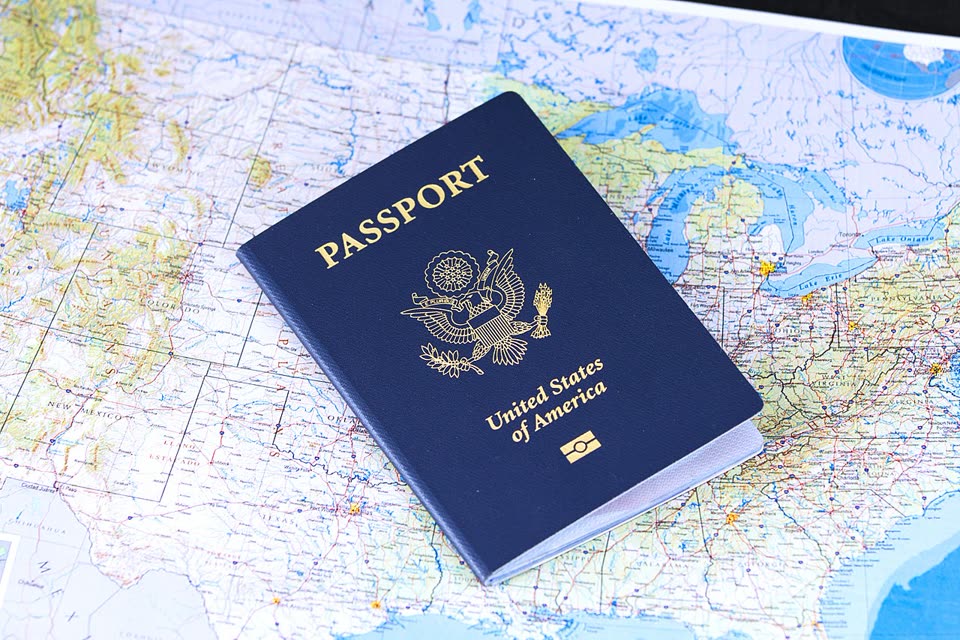
Your first solo trip as a queer person does not need to prove that you are fearless. A successful first trip gives you enough structure to arrive, sleep, eat, explore, meet someone if you want to, and change your mind without depending on a stranger.
- Choose an easy destination rather than the most impressive one.
- Book the arrival and first nights before solving the whole itinerary.
- Make one public social plan and one plan you enjoy alone.
- Keep control of documents, money, phone, room, and route home.
- Return with evidence about what kind of solo traveler you are.
Step 1: Choose the right first destination
Reduce avoidable complexity
A direct journey, familiar language, straightforward entry, reliable public transport, and visible community can matter more than a famous nightlife scene. Start with a city where the ordinary logistics feel understandable.
- Current LGBTQ law and local social context
- Entry rules and document compatibility
- A neighbourhood with direct airport and late transport
- Accommodation you can cancel or replace
- At least one community plan serving your identity
- Emergency and healthcare information you can understand
Step 2: Keep the first trip short enough
Three to five nights can teach you more than an ambitious three-week route. You have time to recover from arrival, repeat a neighbourhood, and meet someone twice without carrying the emotional and financial weight of a long trip.
Step 3: Book the first night for tired-you
Arrival convenience is worth paying for
Choose staffed accommodation with a simple route from the airport and food nearby. Confirm late check-in, inside locks, bathroom setup, and the exact street. Our LGBTQ hostels versus hotels guide helps decide whether privacy or built-in social contact matters more.
Step 4: Build a two-plan day
Give each day one anchor and one optional plan. The anchor might be a museum, walking tour, market, or queer archive. The optional plan might be a screening, group dinner, or café. This keeps the trip purposeful without turning a holiday into project management.
Step 5: Meet people in a way that remains solo
Choose a structured public activity, arrive early, and control your own transport. Say what you are doing rather than asking a stranger to invent the plan: “I’m going to the six o’clock film and getting tea after.” Read how to meet queer people while traveling solo for more options.
You are allowed to leave
A meetup, hostel conversation, date, or group night is not a contract. Leave when someone pushes for your room, controls transport, ignores a boundary, or makes you responsible for their mood.
Step 6: Separate money and documents
- Carry one daily payment method and store a backup separately.
- Keep secure digital document copies away from the originals.
- Do not spend the emergency ride or replacement-room money.
- Know the insurance assistance number and excess.
- Keep enough phone access to navigate and call for help.
Step 7: Prepare for the predictable queer friction
Think through the hotel bed, passport name, airport screening, bathroom, medication, public affection, and how visible you want to be. Preparation is not pessimism. It stops one awkward moment from controlling the whole trip.
Step 8: Save a real emergency card
- Local emergency number
- Accommodation address in the local language
- Insurer and consular assistance
- One local LGBTQ organisation
- Medication and essential medical information
- Trusted contact and agreed check-in action
Use the full LGBTQ+ travel emergency guide to prepare for lost documents, harassment, medical problems, assault, arrest, or sudden disruption.
Step 9: Expect one lonely hour
Feeling lonely at dinner or after a plan falls through does not mean the trip is failing. Eat somewhere comfortable, call home, take a walk in a busy area, or return early. The feeling often passes faster when you do not treat it as a verdict.
Step 10: Review the trip before booking another
- Which parts felt easier alone than expected?
- When did you want company, and what kind?
- Did the accommodation give enough privacy or enough connection?
- Which safety preparation was useful and which was anxiety?
- Would you return longer, choose a different city, or try a new travel style?
First solo trip planning resources
- FCDO solo and independent travel
Current accommodation, transport, insurance, money, and personal-safety guidance.
- IGLTA LGBTQ+ safety guide
Identity-specific destination and itinerary planning.
- Wanderkin LGBTQ+ solo travel safety guide
The full pre-trip framework for laws, documents, hotels, neighbourhoods, and support.
- All Wanderkin city guides
The full city-guide index for neighbourhoods, safety context, transport, and practical LGBTQ travel planning.
- Queer Amsterdam city guide
City-level planning for Amsterdam neighbourhoods, WorldPride context, transport, and canal-crowd safety.
- Queer Berlin city guide
City-level planning for Berlin neighbourhoods, nightlife, transport, and street-level safety.
- Queer Barcelona city guide
City-level planning for Gaixample, Sant Antoni, Gracia, theft awareness, and community context.
- Queer London city guide
City-level planning for Soho, Vauxhall, East London, late transport, and the current queer travel picture.
- Queer Lisbon city guide
City-level planning for Principe Real, Bairro Alto, transport, hills, and solo queer travel.
- Queer Milan city guide
City-level planning for Porta Venezia, Navigli, late routes, and queer community access.
- Queer Rome city guide
City-level planning for Gay Street, Pigneto, Ostiense, transport, crowds, and event-led community.
- Queer Cape Town city guide
City-level planning for neighbourhood choice, transport, safety context, and local LGBTQ support.