When something goes wrong abroad, the first decision is not whether the incident proves a destination is queer-friendly. It is how to get away from immediate danger, reach appropriate care, preserve your options, and contact someone who understands both the local system and the identity-specific risk.
The first ten minutes
- Create distance from the person, vehicle, venue, or location.
- Enter a staffed hotel, shop, station, hospital, or other public place.
- Call the local emergency number when police, ambulance, or fire response is needed.
- Say what you need first: “ambulance,” “police,” “I am not safe,” or “call my embassy.”
- Contact a trusted person and share your live location when safe to do so.
- Do not return alone for belongings or confront the person for evidence.
If you cannot speak the local language
Show your location on a map and use a translation tool for the simplest possible sentence. Ask hotel, transport, hospital, or venue staff to call. Your consular service may help identify interpretation, legal, or medical resources, but it does not replace local emergency services.
Harassment or a queerphobic threat
Leave before deciding whether the behaviour meets a legal definition. Move into a staffed space and note the location, time, description, exact words, witnesses, vehicle, or venue once safe. Screenshot messages before blocking. Ask the venue to preserve CCTV quickly because recordings may be overwritten.
Reporting is your decision unless immediate law requires otherwise
Police may be supportive, indifferent, or a source of additional risk depending on the destination and your identity. A local LGBTQ organisation, independent victim service, lawyer, insurer, or consular officer can help explain options. In immediate danger, use the safest available emergency route.
Physical or sexual assault
Get to safety and seek medical care. Ask about injuries, pregnancy prevention where relevant, HIV post-exposure prophylaxis, sexually transmitted infection care, forensic options, and emotional support. Care availability and legal treatment vary, so contact a specialist sexual-violence or LGBTQ service where possible.
- You can seek medical care even if you are undecided about reporting.
- If you may want forensic evidence collected, ask the provider what to preserve and avoid unnecessary washing or changing when physically possible.
- Keep clothing or relevant items separately as advised, but never delay urgent care to protect evidence.
- Write down what happened in your own words while memory is fresh.
- Ask for copies of medical records, prescriptions, bills, and any police reference.
- Contact your insurer and consular service when you want help finding care or understanding local processes.
Police stop, arrest, or detention
Do not physically resist. Ask why you are being detained and request consular notification. You are subject to local law, even when the law is discriminatory. Do not sign a document you cannot understand; ask for an interpreter and legal advice. Avoid disclosing unrelated contacts, relationships, or device information without understanding your legal position.
Dating-app extortion, entrapment, or blackmail
Stop negotiating and get to safety. Preserve the profile, messages, payment requests, usernames, numbers, and transaction details before blocking. Do not send more money because someone promises to delete material. Contact the platform, bank or payment provider, and a trusted support route.
Where same-sex activity, gender expression, or queer organising is criminalised, a police report may create additional risk. Seek confidential advice from your consular service, a qualified local lawyer, or a reputable LGBTQ human-rights organisation before deciding.
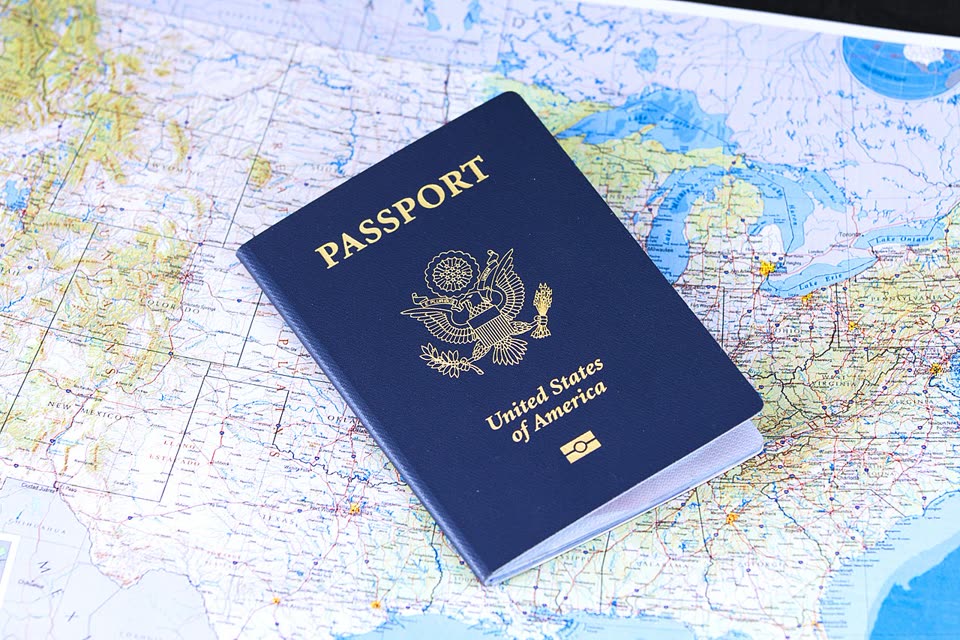
Lost or stolen passport
- Report theft when required and obtain the reference needed for insurance or replacement.
- Contact the passport authority, embassy, or consulate for your nationality.
- Use the secure digital copy to provide document details, not as a travel document.
- Ask the airline what replacement or emergency document it can accept.
- Update visas or entry records when the destination requires it.
- Keep replacement-document details private until you are safely using them.
Medical emergency or medication loss
Call emergency services for urgent symptoms. For replacement medication, contact the insurer, prescribing clinician, local pharmacy or clinic, and consular list of providers. Do not buy prescription medicine from an unverified seller. Brand names and legal controls differ, so use the generic medication name and dosage.
Gender-affirming and HIV-related care
Disclose what clinicians need to treat you, then ask for privacy. A local LGBTQ health organisation may identify competent care or explain access to hormones, antiretrovirals, PEP, or other time-sensitive treatment. Consular staff can provide provider lists but cannot guarantee clinical competence.
Natural disaster, unrest, or sudden evacuation
Follow local emergency instructions and leave while commercial transport is working when official advice tells you to do so. Send a short “safe” message because data may work when calls do not. Keep documents, medication, water, charge, and suitable clothing together. Government evacuation may be limited, delayed, chargeable, or unavailable to companions of another nationality.
What to document
- Date, time, location, sequence, and exact words used
- Names, descriptions, uniforms, vehicles, witnesses, and venue staff
- Screenshots, profile URLs, messages, calls, and payment demands
- Photographs of injuries or damage when safe and appropriate
- Medical reports, receipts, prescriptions, and discharge documents
- Police, insurer, platform, embassy, or support-service reference numbers
Build the emergency card before departure
- Local emergency number and accommodation address
- Insurer policy and 24-hour assistance number
- Embassy, consulate, or passport authority
- One local LGBTQ organisation and one independent victim service
- Medication generic names, allergies, and essential medical information
- Trusted contact and agreed check-in action
- Secure access to document copies and emergency funds
After the immediate crisis
Change accommodation, transport, passwords, or the itinerary when needed. Contact people who can help with the practical load. An incident can affect sleep, memory, appetite, concentration, and decision-making; that is not failure. Seek trauma-informed support and give yourself permission to end the trip.
Prepare the wider trip with our LGBTQ+ solo travel safety guide, then replace every generic contact in this article with the correct destination and nationality-specific information.
Official emergency and consular resources
- U.S. State Department help abroad
Consular help for crime, lost passports, arrest, financial emergencies, and crises.
- U.S. State Department LGBTQ traveler guidance
Local laws, document markers, health, entrapment, STEP, and consular assistance.
- Support for British nationals abroad
Current preparation and consular-support guidance for British travelers.
- EU emergency number 112
Official information on the free emergency number available throughout the EU.
- ILGA World Database
Legal frameworks to review before deciding how to seek help.