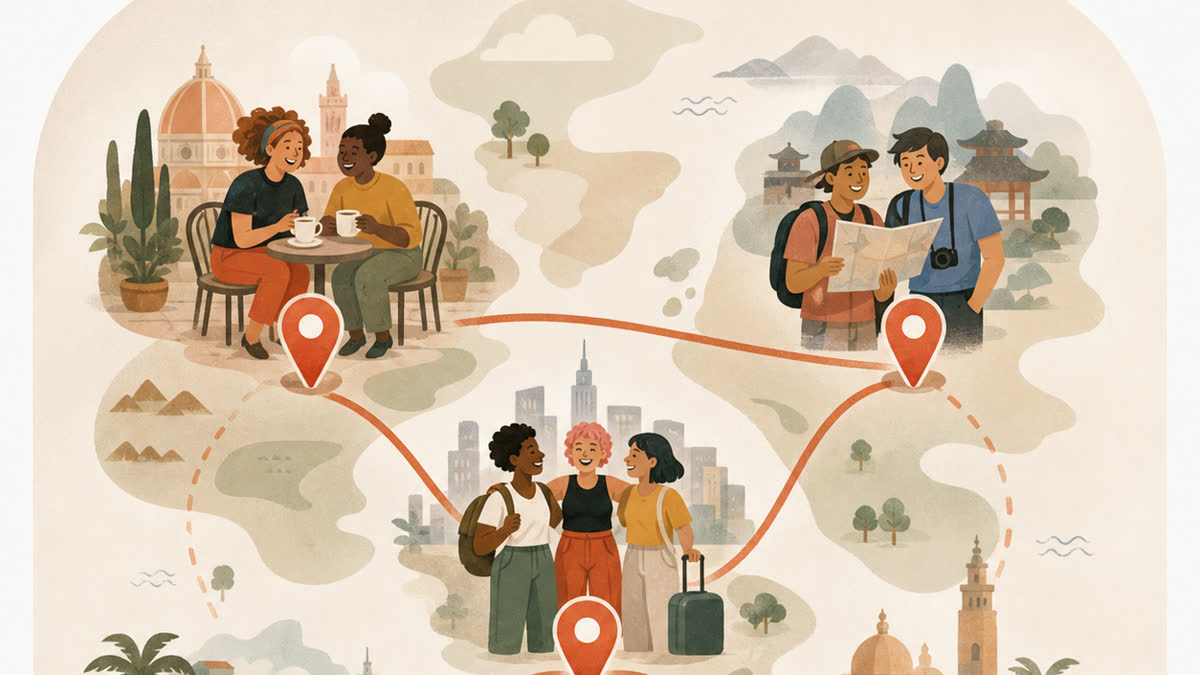
A safe city for lesbian couples is not simply a place where same-sex relationships are legal. You also need to think about public affection, misogynistic harassment, whether queer spaces actually include women, transport after dark, and how a hotel will treat you when you ask for one bed.
These five cities are safer choices rather than guarantees. The shortlist combines current national protections with visible local community, useful transport, and places where two women can spend an ordinary day together without making nightlife the whole trip.
Quick Answer: Safest Cities for Lesbian Couples in 2026
The safest cities for lesbian couples to start with in 2026 are Madrid, Copenhagen, Reykjavik, Brussels, and Amsterdam. They are not risk-free. They are stronger starting points because same-sex relationships are protected, queer life is visible, public transport is usable, and there are enough places to build a trip beyond one nightlife strip.
- Madrid: Best all-round option for culture, late dinners, visible queer life, and enough choice to leave a venue that feels too male-centred.
- Copenhagen: Best for a relaxed first trip together built around food, design, waterfront walks, and smaller queer spaces.
- Reykjavik: Best for quieter couple travel where the city centre is compact and the trip does not depend on nightlife.
- Brussels: Best for lesbian-led community, museums, food, and a weekend that can move between social, cultural, and political spaces.
- Amsterdam: Best for queer history, canal-side city breaks, women-centred spaces, and a broad mixed scene.
Before booking, check recent queer-women-specific reviews, the route home, accommodation details, current event listings, and any extra document, healthcare, or facility checks that apply to either partner.
1. Madrid, Spain
Spain ranks first on ILGA-Europe’s 2026 Rainbow Map. Madrid adds the practical layer: Chueca has visible LGBTQIA+ life, busy public squares, bookshops, restaurants, and nightlife, while nearby Malasaña and Lavapiés offer more mixed and alternative scenes.
Official Madrid tourism information specifically identifies lesbian-rooted venues such as Truco and Fulanita de Tal. That does not make every room inclusive, but it means queer women are not an afterthought in the city’s public visitor information.
Best for: Couples who want culture, late dinners, visible queer life, and enough choice to leave any venue that feels too male-centred.
2. Copenhagen, Denmark
Copenhagen works well when you want the trip to feel like a normal city break first. Denmark has a long history of relationship recognition, and the official city guide places LGBTQIA+ history, culture, film, bars, and community spaces inside the wider city rather than in one isolated district.
The centre is compact, public transport is straightforward, and cycling or walking makes it easier to control your evening route. As in any capital, use normal awareness around nightlife and do not mistake a progressive reputation for universal acceptance.
Best for: First trips together, design and food weekends, and couples who prefer relaxed bars and cultural plans to a huge scene.
3. Reykjavik, Iceland
Iceland ranks third on the 2026 Rainbow Map. Reykjavik is small, walkable in its centre, and openly promotes LGBTQIA+ visitors year-round. There is no dedicated queer neighbourhood, which can be a strength if you want to move through the city as a couple rather than plan around one nightlife strip.
The tradeoff is scale. There are fewer dedicated spaces and fewer easy backups when an event is closed. Weather, winter darkness, and travel outside the capital require more planning than the queer scene itself.
Best for: Quiet romantic trips, nature, Pride without a giant city crowd, and couples who do not need extensive nightlife.
4. Brussels, Belgium
Belgium ranks fourth in Europe in 2026. Brussels has both a broad queer scene and specific infrastructure for women: the official city guide highlights The Crazy Circle, a lesbian and feminist bar, women-led events, RainbowHouse, cultural festivals, and community support.
The city is multilingual and socially mixed, so the experience changes quickly between streets and neighbourhoods. Stay attentive around major stations late at night and choose accommodation based on the route you will actually use, not only the cheapest room.
Best for: Couples who want lesbian-led community, museums, food, and a weekend that can switch between political, cultural, and social spaces.
5. Amsterdam, Netherlands
Amsterdam combines public queer history with a city centre where same-sex couples are highly visible. Cafe 't Mandje preserves lesbian history on Zeedijk, while Oud-West and spaces such as De Trut offer alternatives to the more male-centred Reguliersdwarsstraat scene.
The Netherlands ranks below the top countries on the 2026 Rainbow Map, so do not rely on the old idea that Dutch progress is complete. For visitors, the more common city-centre concerns are crowded streets, pickpocketing, and late-night route choices.
Best for: Queer history, canal-side city breaks, and couples who want both women-centred spaces and a broad mixed scene.
Before You Book
- Check current national and local LGBTQIA+ protections, not a ranking screenshot from a previous year.
- Search recent reviews from queer women, especially if nightlife or a women-centred event matters to the trip.
- Confirm that venue and event information is current. Lesbian spaces often operate through rotating events rather than permanent bars.
- Plan the route home before drinking, and keep separate access to money, keys, identification, and phones.
- If one partner is trans, use the trans-specific legal and healthcare checks as well as the lesbian-couple guidance.
Safety and city sources
- ILGA-Europe Rainbow Map 2026
Current European laws and policies affecting LGBTQIA+ human rights.
- IGLTA LGBTQ+ safety guide
A practical framework for identity-specific destination research.
- Official LGBTQIA+ Madrid guide
Current neighbourhood, culture, Pride, and visitor information.
- Official LGBTQIA+ Brussels guide
Women-led venues, community organisations, culture, and local support.