Mexico City has some of Mexico’s strongest LGBTQ visibility, law, public services, and community infrastructure. It can be an excellent queer trip, but the city’s scale, street crime, uneven policing, and violence affecting trans women require a specific plan rather than a blanket “safe” label.
Why Mexico City works for many queer travelers
Mexico City recognises same-sex marriage and gender identity rights and operates anti-discrimination and LGBTQ-specific services. COPRED handles discrimination, while Locatel can direct residents and visitors to specialist diversity, justice, and trans-health services.
Visibility also matters. Mexico City has identifiable queer places, events, and community infrastructure, so you do not have to rely on a rainbow sticker or a hotel’s marketing language. The better test is whether you can find current city information, more than one kind of venue, and a clear route to help.
What still needs caution
Use street-by-street awareness, especially after nightlife. Avoid unmarked taxis, keep drinks controlled, do not display a phone at the kerb, and choose cash machines inside banks or malls. Trans women and visibly gender-diverse travelers face a different risk profile from cis gay tourists.
Nightlife and meeting someone new
Tell a friend where you are going, keep control of your drink, and meet new contacts in a public place first. A queer venue can reduce uncertainty about the room, but it cannot verify every person inside it. Keep independent access to your phone, money, identification, and accommodation.
Public affection
Local queer visibility makes ordinary affection possible for many couples, but no city gives one universal reaction. Read the immediate environment, particularly late at night or outside the central scene. Choosing not to hold hands in one moment is a tactical choice, not a judgment on your relationship.
Transport after dark
Metro and Metrobús are useful in the day, while app-booked rides can simplify late journeys. Traffic makes distance deceptive. Verify the vehicle and plate, share the trip, and wait inside the venue until the car arrives.
Where to stay for easier planning
There is no single “safe neighbourhood” for every traveler. Pick the area that shortens the journeys you will actually make, then inspect the final blocks between the station, venue, and hotel. Our queer neighbourhood guide to Mexico City compares three practical bases. Then compare crowds, weather, prices, and Pride timing in the best-time guide.
- Zona Rosa and Colonia Juárez: best for maximum LGBTQ visibility, nightlife, Pride history, and a first visit. It is busy, commercial, and theft-prone. Use a verified ride after late nightlife and do not follow strangers to an unplanned second location.
- Roma Norte and Condesa: best for cafés, restaurants, parks, couples, and a mixed queer-friendly stay. Popularity raises prices and does not remove robbery risk. Check the final few blocks around your accommodation and wait indoors for rides.
- Centro Histórico: best for queer history, culture, affordable nightlife, and experienced city travelers. Choose a named destination and a planned route. Some blocks change character quickly after shops close, so it is not the place for an aimless late walk.
The experience is not identical across LGBTQ identities
Zona Rosa is highly visible but commercial and often gay-male. Queer women, trans travelers, and people seeking community rather than nightlife should use current local organisation and event listings, not only generic “gay Mexico City” maps.
Documents, prescriptions, and healthcare as a visitor
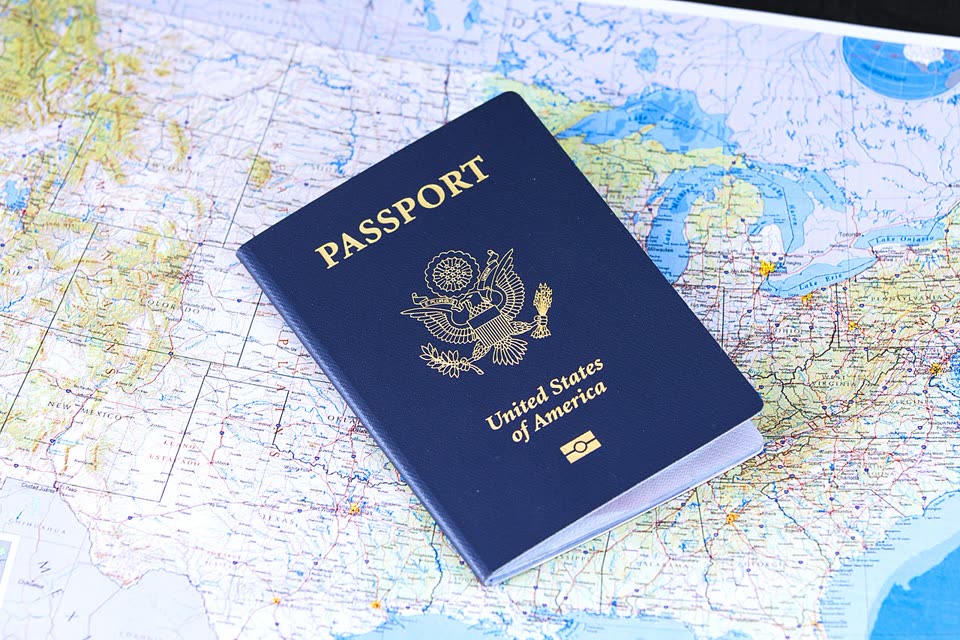
Document checks: use the details in the passport you will travel with when booking, and resolve any mismatch with your airline before departure. FCDO warns that trans and gender-diverse travellers can face border delays when their gender expression differs from the sex recorded in their passport. Check Mexico and every transit country with the relevant embassy for your nationality and travel document, including any non-binary marker. Do not assume that a rule for British passports applies to yours.
Arrival preparation: keep your return or onward ticket, accommodation confirmation, and evidence of funds accessible for border checks. Check your permitted length of stay on arrival rather than assuming the maximum tourist allowance. FCDO entry guidance is written for British citizens; confirm the current requirements for your passport with the Mexican authorities before travel.
Prescriptions: FCDO advises getting prescriptions issued outside Mexico translated into Spanish. A pharmacy may still reject a foreign prescription. If you rely on regular medication, including hormone treatment, plan continuity with your prescriber before travelling and check the rules for carrying your medicine into Mexico. Do not assume you can replace it at a pharmacy after arrival.
Visitor access: before relying on a trans-health service, confirm whether it accepts short-term visitors, what identification or referral it needs, how to book, and what you would pay. Ask specifically about your medication and appointment availability. A service listing or referral does not guarantee treatment, a prescription, or medicine in stock.
- Trans travelers: compare passport, ticket, hotel, and insurance details, and research medication rules before departure.
- Queer women: look for women-led or FLINTA-specific organisers rather than assuming a gay district serves everyone.
- Queer people of colour: seek recent accounts from people who share your racial or cultural context.
- Disabled travelers: verify step-free routes and venue access directly; “accessible” is often used too loosely.
- Older travelers: check seating, sound levels, start times, and the journey home instead of treating nightlife as the only community route.
A practical Mexico City safety checklist
- Save the emergency number and a specialist LGBTQ support route offline.
- Book the first night before arrival and check the final walk in street view and on a transport map.
- Keep a digital copy of key documents separate from the originals.
- Share a nightlife or meetup plan with one trusted person.
- Use a named venue and a named route instead of wandering late for something that looks queer.
- Recheck official travel, weather, strike, and event information shortly before leaving.
So, is Mexico City safe for queer travelers?
Mexico City is a strong option for many LGBTQ trips when the city’s visible community and support infrastructure match what you need. The useful answer is not “yes, completely.” It is that you can plan the neighbourhood, transport, venue, and backup route with enough current information to make a confident decision. Use the permanent Queer Mexico City city guide for the broader neighbourhood and travel-planning overview, start with our complete LGBTQ solo travel safety guide, then check the sources below again before booking.
Mexico City safety and community sources
- Queer Mexico City city guide
Permanent Mexico City overview for neighbourhoods, transport, safety context, and practical trip planning.
- Official Mexico City LGBTQ travel guide
City-produced guide to LGBTQ history, areas, services, and venues.
- Mexico City COPRED
The city body for preventing and addressing discrimination.
- Locatel LGBTQ services
Routes to specialist diversity, justice, and trans-health services.
- FCDO Mexico health and prescription guidance
Foreign prescriptions, Spanish translations, healthcare planning, and medical-provider information. Confirm visitor access directly with the service.
- FCDO trans and gender-diverse passport guidance
Passport identity and potential border difficulties for trans and gender-diverse travellers.
- FCDO Mexico entry requirements for British citizens
Passport, transit, and arrival-document checks. Other passport holders should confirm requirements with the Mexican authorities.
- IGLTA LGBTQ+ safety guide
A global framework for researching laws, attitudes, services, and identity-specific needs.